Italy Fuel Prices: Gasolio, Benzina & GPL — 23,000+ Stations
The price gap between the cheapest and most expensive fuel station in Italy can exceed €0.30/L – that's over €360/year wasted on a standard 50L tank filled weekly. Based on data from Fuelconomy's network of over 21,000 Italian stations, the national average sits around €1.65 – €1.70/L for Benzina and €1.70 – €1.75/L for Gasolio in early 2026. Italy ranks among the most expensive countries in Europe for fuel, largely because taxes account for roughly 60% of the pump price. Knowing where, when, and how you fill up makes a real difference.
Average prices in this guide update every day from Fuelconomy data. Worked examples, tax breakdowns and forecasts use March 2026 prices.
Key Facts
- €1.997/L is the typical self-service price for Benzina (petrol 95 octane) today.
- €2.260/L for Gasolio (diesel), which rose ~€0.05/L in January 2026 after excise duty alignment.
- €0.774/L for GPL (LPG) – less than half the cost of petrol, making it the cheapest option at the pump.
- €0.15 – €0.25/L surcharge at "servito" (full-service) pumps compared to self-service – that's up to €300/year extra for no good reason.
- €0.10 – €0.20/L motorway markup on autostrada stations versus local "pompe bianche" (unbranded stations) just off the exit ramp.
- 22% VAT (IVA) applied on top of excise duty, meaning you're paying tax on tax – a uniquely painful Italian quirk.
- Over 21,000 stations tracked by Fuelconomy across Italy, with prices updated twice daily.
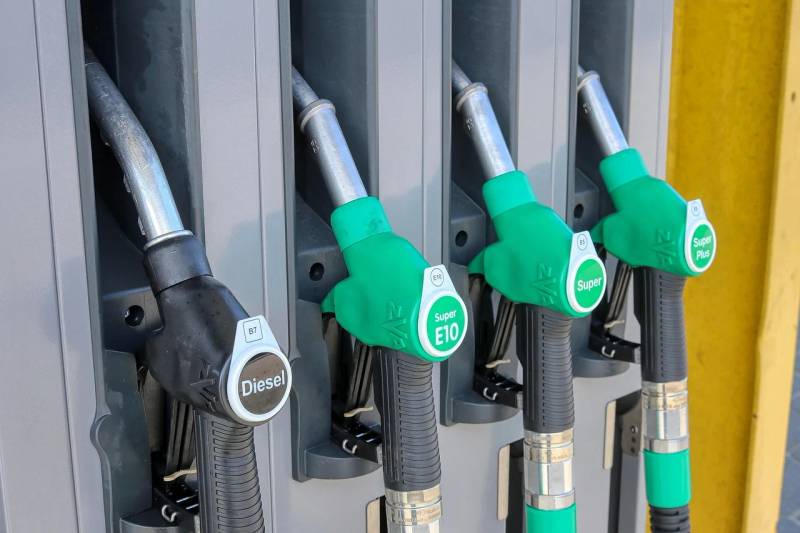
Current Fuel Prices in Italy
Italy's pump prices in 2026 reflect a major policy shift: the government aligned excise duties on petrol and diesel to €672.90 per 1,000 litres effective 1 January 2026. This means diesel drivers saw an increase of roughly €0.05/L, while petrol dropped by a similar amount. The net result? Gasolio is now slightly more expensive than Benzina at most stations – a reversal from years past.
Here's how the main fuel types compare:
| Fuel Type | Category | Typical Self-Service Price | Best For |
|---|---|---|---|
| Benzina | Petrol 95 | €1.997/L | Most petrol cars |
| Benzina Plus 98 | Petrol 98 | €2.179/L | High-performance engines |
| Gasolio | Diesel | €2.260/L | Diesel cars, SUVs, vans |
| Gasolio Speciale | Premium diesel | €2.409/L | Claims of better cleaning |
| GPL | LPG | €0.774/L | Converted vehicles, big savers |
| Metano | CNG | €2.000/kg | CNG-equipped vehicles |
(Updated: March 2026)
The prices below update twice daily from our database of 21,000+ Italian stations:
| Fuel | Min | Avg | Max |
|---|---|---|---|
| Benzina | €1.658 | €1.997 | €2.052 |
| Gasolio | €1.769 | €2.260 | €2.419 |
| GPL | €0.599 | €0.774 | €0.874 |
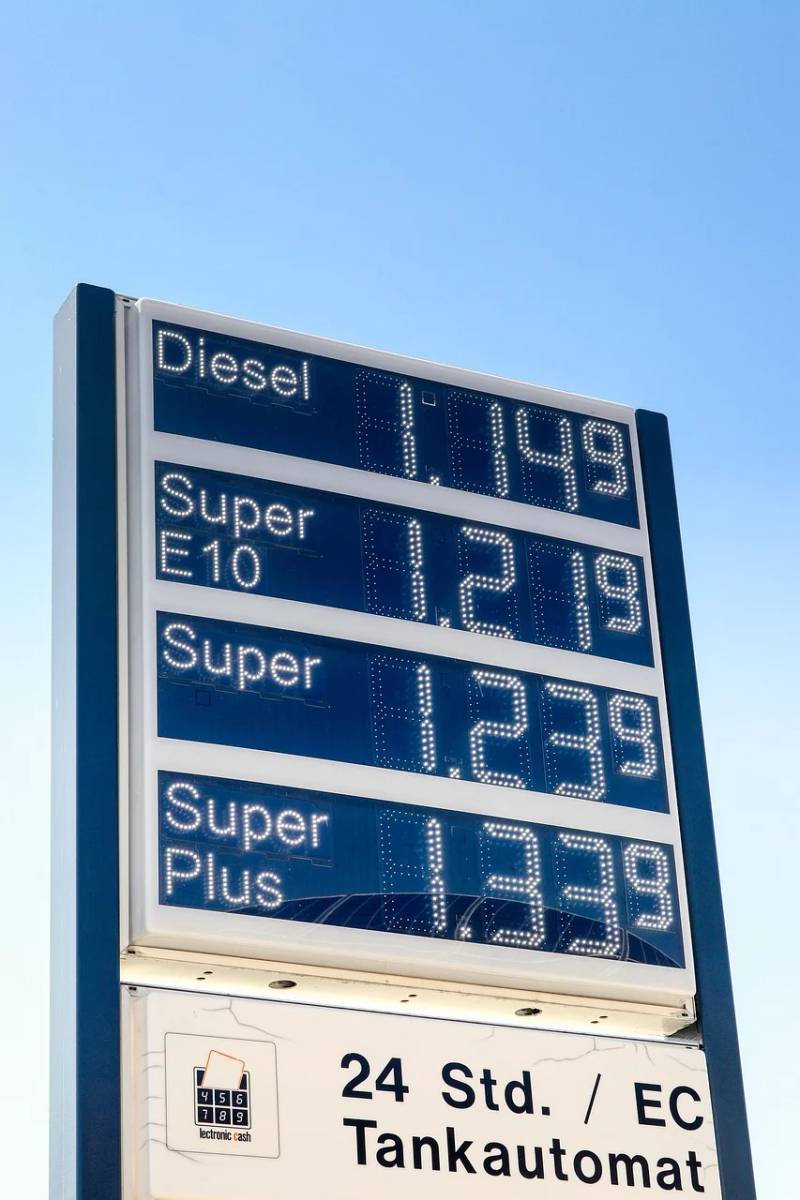
Why Is Fuel So Expensive in Italy?
Strip away the taxes and Italian fuel actually costs about the same as anywhere else in Europe. The problem is what the government layers on top. Excise duties (accise) alone add roughly €0.67/L, and then 22% IVA is applied to the total – including the excise. You're paying tax on the tax. On a litre of Benzina at €1.68, roughly €1.00 goes to the state. Some of these accise date back decades – including levies originally earmarked for natural disaster recovery that were never removed.
The January 2026 excise alignment was designed to close the gap between diesel and petrol taxation. For diesel drivers, this adds an estimated €552 million to government coffers in 2026. For your wallet, it means filling a 60L diesel tank now costs about €3 more per fill-up than it did in December 2025.
| Price Component | Benzina (Petrol) | Gasolio (Diesel) |
|---|---|---|
| Raw fuel cost | ~€0.55/L | ~€0.58/L |
| Excise duty (accisa) | ~€0.67/L | ~€0.67/L |
| VAT (IVA 22%) | ~€0.37/L | ~€0.38/L |
| Pump price | ~€1.68/L | ~€1.72/L |
(Updated: March 2026)
Self-Service vs. Servito: The €300/Year Trap
The single easiest way to overpay for fuel in Italy is to pull up to a "servito" pump. An attendant fills your tank, maybe wipes the windscreen, and charges €0.15 – €0.25/L extra for the privilege. On a 50L fill-up, that's €7.50 – €12.50 more per visit. Fill up weekly and you're burning through €390 – €650/year in avoidable service fees.
Always drive to the pumps marked "Self" or "Fai da te." If an attendant waves you toward servito, a polite "No grazie, faccio self" is all it takes.
⚠️ Tourist trap alert: Some attendants at stations near tourist areas in Florence, Rome and Venice will approach your car the moment you pull in. They're not required – they're just hoping you'll default to servito pricing. Head straight for the self-service island.
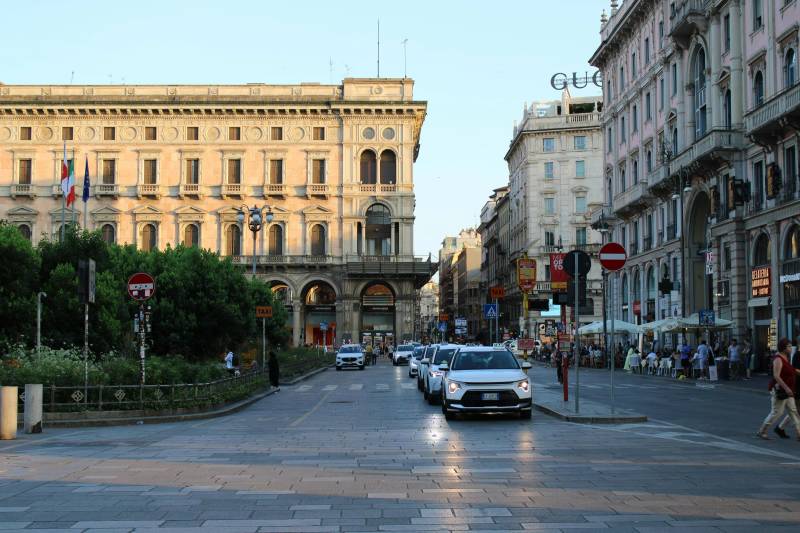
Motorway vs. City Stations: Where to Fill Up
Autostrada stations are the most expensive forecourts in Italy, typically charging €0.10 – €0.20/L above local prices. On a Rome to Milan road trip (roughly 580 km, two fill-ups), that convenience premium costs you an extra €10 – €20. Over a year of regular commuting with motorway stops, the difference adds up fast.
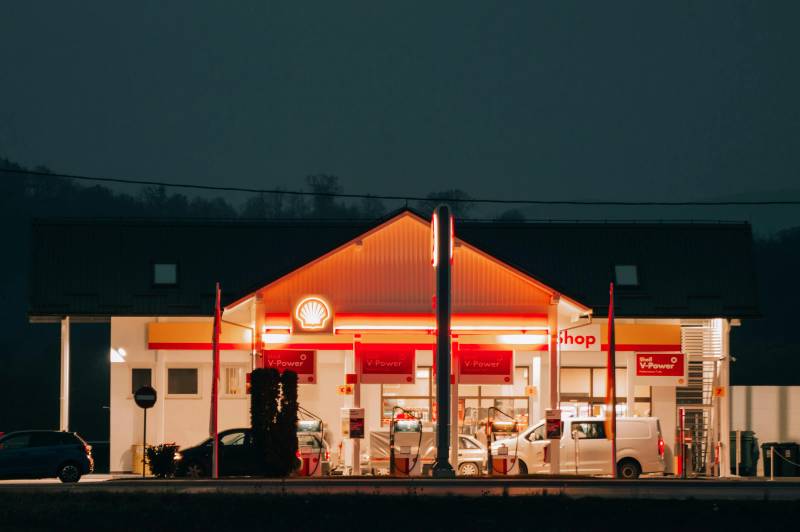
The cheapest option? Pompe bianche (unbranded white-label stations) in commercial zones and on the outskirts of cities. These stations have lower overheads, no brand licensing fees, and regularly undercut branded forecourts by €0.05 – €0.10/L.
Use Fuelconomy's live price map to compare stations in your area before filling up – the savings from one smarter stop per week compound quickly.
| Station Type | Typical Price vs. Average | Annual Cost (1,200L) |
|---|---|---|
| Autostrada (motorway) | +€0.15/L | €2,196 |
| Branded city station (servito) | +€0.08/L | €2,112 |
| Branded city station (self) | Average | €2,016 |
| Pompa bianca (self) | -€0.07/L | €1,932 |
Choosing a white-label self-service station over a motorway servito pump saves roughly €264/year on 1,200 litres.
Regional Price Differences Across Italy
Fuel prices vary significantly between regions. Northern industrial areas around Milan, Turin and Genoa tend to have more competition and slightly lower prices. Southern regions and islands – particularly Palermo, Catania and Cagliari in Sardinia – often pay a premium due to higher transport costs and fewer stations per capita.
Cities with the most competitive fuel markets include:
- Milan – Dense station network, aggressive pompe bianche pricing in the hinterland.
- Bologna – Strategic crossroads with heavy competition along the A1 and A14 corridors.
- Rome – Huge variation; stations inside the GRA ring road cost more than those on the outskirts near Acilia or Fiumicino.
- Naples – Some of the lowest urban prices in Italy, particularly at independent stations.
Fuelconomy tracks prices from over 21,000 Italian stations – check the city-level widgets below for today's averages:
| Fuel | Min | Avg | Max |
|---|---|---|---|
| Benzina | €1.709 | €1.994 | €2.009 |
| Gasolio | €1.929 | €2.240 | €2.319 |
| GPL | €0.709 | €0.764 | €0.849 |
| Fuel | Min | Avg | Max |
|---|---|---|---|
| Benzina | €1.839 | €1.994 | €2.006 |
| Gasolio | €1.949 | €2.238 | €2.319 |
| GPL | €0.726 | €0.780 | €0.835 |
Italy's Fuel Types Explained
Italy has one of the most diverse fuel menus in Europe, with dozens of branded diesel variants alone. Here's what matters for most drivers:
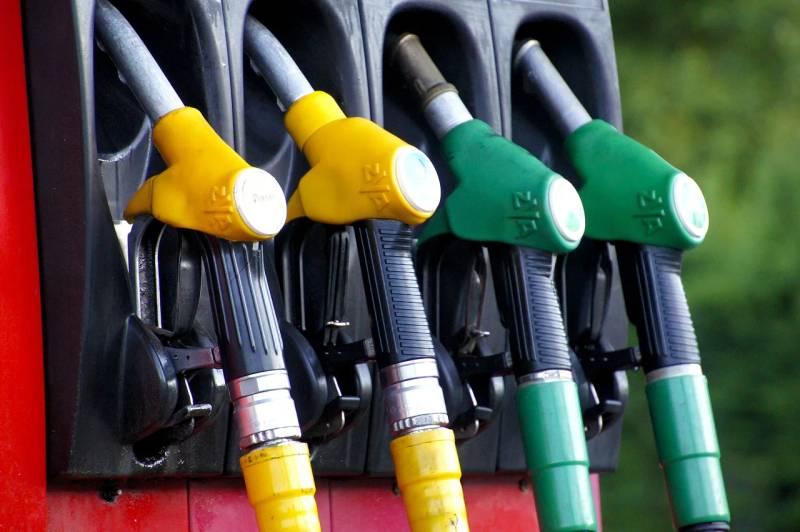
Benzina is standard 95-octane unleaded petrol – the default for most cars. It meets European E5/E10 standards and works in virtually every petrol engine sold since the 1990s. You do not need premium unless your car's manual specifically requires 98 octane.
Gasolio is standard diesel, conforming to EN590. Premium variants like Blue Diesel, Supreme Diesel and Diesel Shell V Power claim to offer better engine cleaning and performance. Independent tests suggest marginal benefits at best – the €0.15 – €0.25/L premium rarely justifies itself for normal driving.
GPL (LPG) is Italy's secret weapon against high fuel costs. At roughly €0.774/L, it's less than half the price of Benzina. Converting a petrol car to GPL costs €1,200 – €2,000 and typically pays for itself within 18 – 24 months for drivers covering 15,000+ km/year. Italy has one of Europe's largest LPG networks.
Metano (CNG) is popular in the Po Valley around Bologna, Padova and Verona, where the station network is densest. Priced per kilogram rather than per litre, it offers excellent cost-per-km but requires dedicated or bi-fuel vehicles.
HVO diesel – newer renewable options like HVOlution and HVO 100 are appearing at select stations. Made from hydrogenated vegetable oils, they're a drop-in replacement for fossil diesel with lower CO₂ emissions. Availability is still limited and prices run €0.10 – €0.30/L above standard Gasolio.
| Fuel | Min | Avg | Max |
|---|---|---|---|
| Benzina | €1.658 | €1.997 | €2.052 |
| Fuel | Min | Avg | Max |
|---|---|---|---|
| Gasolio | €1.769 | €2.260 | €2.419 |
How to Save Money on Fuel in Italy
Drivers who pay attention to where and how they fill up can realistically save €200 – €400 per year. Here are the moves that actually work:
1. Always choose self-service. The servito surcharge is the single biggest avoidable expense. Savings: €0.15 – €0.25/L, or roughly €180 – €300/year on 1,200L.
2. Skip the autostrada. Exit the motorway and fill up at local stations. Most exits have fuel within 1 – 2 km. Savings: €0.10 – €0.20/L per motorway fill-up.
3. Target pompe bianche. Unbranded stations in commercial areas consistently offer the lowest prices. Fuelconomy flags these in search results across Italy.
4. Consider GPL conversion. If you drive 15,000+ km/year in a petrol car, the conversion cost of €1,500 – €2,000 pays itself back within two years. Annual fuel cost drops from ~€1,680 to ~€720 on 1,200L equivalent – a saving of nearly €960/year.
5. Fill up on Monday or Tuesday. Italian fuel prices tend to creep up before weekends and holidays. Mid-week fill-ups are, on average, slightly cheaper.
6. Carry cash in small bills. Automated pumps at closed stations don't always give change, and some older machines reject foreign cards. Keep €10 and €20 notes handy for after-hours stops.
7. Check Fuelconomy before every fill-up. A two-minute price check across nearby stations can save €3 – €8 per tank. Over a year, that's €150 – €400 in your pocket.
⚠️ Wrong fuel warning: "Gasolio" is diesel, NOT petrol. "Benzina" is petrol. Misfuelling is a common and expensive mistake – towing plus tank drainage can cost €500+. Check twice at the pump.
Fuel Prices in Major Italian Cities
Here's how prices compare across Italy's largest cities. These ranges reflect self-service, non-motorway stations:
| City | Benzina (Self) | Gasolio (Self) | GPL |
|---|---|---|---|
| Rome | €1.994/L | €2.240/L | €0.764/L |
| Milan | €1.994/L | €2.238/L | €0.780/L |
| Naples | €2.039/L | €2.298/L | €0.769/L |
| Turin | €1.993/L | €2.236/L | €0.755/L |
| Palermo | €1.991/L | €2.254/L | €0.723/L |
| Florence | €1.993/L | €2.229/L | €0.809/L |
| Bologna | €1.993/L | €2.235/L | €0.778/L |
| Bari | €1.996/L | €2.239/L | €0.771/L |
(Updated: March 2026)
Planning a cross-country trip? Fuelconomy lets you compare fuel costs across all major Italian cities on a single page.
| Fuel | Min | Avg | Max |
|---|---|---|---|
| Benzina | €1.979 | €2.039 | €2.220 |
| Gasolio | €2.059 | €2.298 | €2.500 |
| GPL | €0.699 | €0.769 | €0.799 |
Italian Fuel Station Opening Hours and Payment
Italian fuel stations outside the motorway follow a rhythm that surprises many foreign drivers. Most stations close for a long lunch break (pausa) from around 12:30 to 15:30, and many shut entirely on Sundays and public holidays. Autostrada stations are the exception – they operate 24/7.
During closed hours, automated pumps (cassa automatica) remain active at most stations. These accept banknotes (€5, €10, €20, €50) and major credit/debit cards with PIN. Two important caveats: older machines may not return change on cash payments, and some rural machines reject non-Italian cards. If the machine takes your €50 note and you only pump €30 of fuel, you'll receive a voucher redeemable only at that station during staffed hours – practically useless for most travellers.
Payment tips for tourists and expats:
- Major branded stations in Milan, Rome and along motorways reliably accept Visa, Mastercard and contactless.
- Independent stations in rural Italy may be cash-only during attended hours.
- Always carry €20 – €50 in small notes as backup.
FAQ
How much does petrol cost in Italy in 2026?
Standard Benzina (95-octane petrol) costs €1.997/L at self-service pumps today. Full-service (servito) adds €0.15 – €0.25/L on top. Motorway stations charge an additional €0.10 – €0.20/L premium. Check Fuelconomy's Italy page for today's exact prices from 21,000+ stations.
Is diesel cheaper than petrol in Italy?
Not anymore. Since January 2026, excise duties on diesel and petrol have been aligned at €672.90 per 1,000 litres. Gasolio now costs €2.260/L at self-service pumps – slightly more than Benzina. This reverses the historical discount that made diesel the cheaper option.
What is the difference between "self" and "servito" at Italian fuel stations?
"Self" (also "fai da te") means you pump your own fuel at the lower displayed price. "Servito" means an attendant fills your tank for a surcharge of €0.15 – €0.25/L. On a 50L tank, servito costs €7.50 – €12.50 more. Always choose self-service unless you have a specific reason not to.
What is GPL and is it worth converting my car?
GPL is liquefied petroleum gas (LPG), priced at roughly €0.774/L in Italy. Converting a petrol car costs €1,200 – €2,000 and pays for itself within 18 – 24 months if you drive 15,000+ km/year. Italy has one of Europe's best LPG station networks, making it a practical daily-driver fuel.
Are motorway fuel stations more expensive in Italy?
Yes, consistently. Autostrada stations charge €0.10 – €0.20/L above local prices, and some exceed €2.00/L for served diesel. Exiting the motorway and driving 1 – 2 km to a local station saves €5 – €12 per fill-up. Use Fuelconomy's map to spot cheaper options near your exit.
What fuel should I put in a rental car in Italy?
Check the fuel cap or owner's manual. If it says "Benzina" or "Unleaded only," use Benzina. If it says "Gasolio" or "Diesel," use Gasolio. Misfuelling costs €500+ in towing and tank drainage. When in doubt, ask the rental agency before you leave the lot.
How do Italian fuel prices compare to other European countries?
Italy ranks among the most expensive EU countries for fuel – roughly 7 – 10% above the EU average. Only the Netherlands and Scandinavian countries consistently charge more. Neighbouring France and Spain are typically €0.10 – €0.20/L cheaper for diesel and petrol respectively.
Conclusion
Italy's fuel prices are high by European standards, but the amount you actually pay depends heavily on choices within your control. Switching from servito to self-service, avoiding motorway stations, and targeting pompe bianche can save a typical driver €200 – €400 per year – no lifestyle change required. The January 2026 excise alignment means diesel is no longer the cheaper option, so recalculate if you're choosing between a petrol and diesel vehicle.
Compare live prices across 21,000+ Italian stations on Fuelconomy and start saving on your next fill-up.