Portugal Fuel Prices: Gasóleo, Gasolina 95 & GPL — 3,500+ Stations
Portuguese drivers are paying some of the highest fuel prices in Southern Europe – and the gap with neighbouring Spain keeps widening. Our analysis of real-time data from Fuelconomy's network of over 3,400 Portuguese stations shows that Gasolina Simples 95 currently averages €1.68 – €1.71/L, while Gasóleo Simples sits around €1.58 – €1.63/L. That is roughly 8% above the EU average for petrol and 4% above for diesel, making Portugal the 20th most expensive EU country to fill up a car.
Average prices in this guide update every day from Fuelconomy data. Worked examples, tax breakdowns and forecasts use March 2026 prices.
Key Facts – Portugal Fuel Prices 2026
- €2.099/L is the current national average for Gasolina Simples 95 (95 octane unleaded)
- €2.257/L is the national average for standard diesel (Gasóleo Simples)
- €85/tank – what a 50L fill-up of petrol costs, roughly 6% of the average Portuguese net monthly wage
- 50 – 60% of the pump price goes to taxes: ISP (fuel excise), carbon levy, and 23% IVA (VAT)
- €0.22/L cheaper – the approximate saving if you cross into Spain for petrol
- €180 – €250/year – the typical saving from consistently choosing the cheapest station in your area
- 3,400+ stations tracked by Fuelconomy across Portugal, updated twice daily
What Fuel Types Are Available in Portugal?
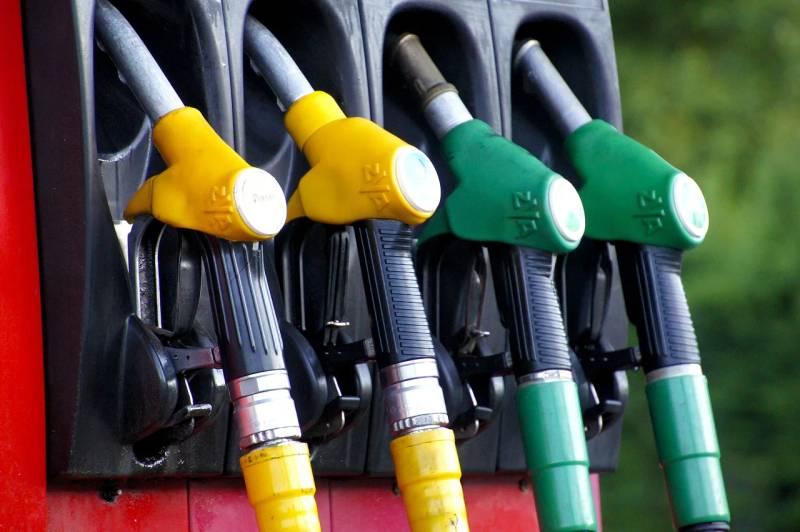
Portugal uses its own naming system at the pump, which catches many visitors off guard. Here is how Portuguese fuel names map to what you know from the rest of Europe:
| Portuguese Name | Category | Equivalent | Average Price |
|---|---|---|---|
| Gasolina Simples 95 | Petrol 95 | E10 / SP95 | €2.099/L |
| Gasolina Especial 95 | Premium Petrol 95 | Branded 95 with additives | €2.127/L |
| Gasolina Especial 98 | Petrol 98 | SP98 / Super Plus | €2.346/L |
| Gasóleo Simples | Standard Diesel | B7 / Gazole | €2.257/L |
| Gasóleo Especial | Premium Diesel | Branded diesel with additives | €2.309/L |
| GPL Auto | Autogas / LPG | GPLc | €1.020/L |
The key distinction is between "Simples" (basic, unbranded) and "Especial" (premium, with cleaning additives). For most modern cars, Gasolina Simples 95 and Gasóleo Simples are perfectly fine. The "Especial" grades carry a premium of €0.05 – €0.15/L that rarely pays for itself unless your manufacturer specifically requires 98 octane.
(Updated: March 2026)
| Fuel | Min | Avg | Max |
|---|---|---|---|
| Gasolina Simples 95 | €1.895 | €2.099 | €2.243 |
| Gasóleo Simples | €1.949 | €2.257 | €2.404 |
| GPL Auto | €0.898 | €1.020 | €1.135 |
Why Is Fuel So Expensive in Portugal?
The short answer: taxes. Around 50 – 60% of what you pay at the pump never reaches the oil company. The breakdown includes:
ISP – Imposto sobre Produtos Petrolíferos
Portugal's main fuel excise duty. In early 2026, the government began phasing out the emergency ISP discount introduced in 2022 during the energy crisis. This rollback added roughly €0.024/L to diesel and €0.016/L to petrol. A re-calibrated carbon tax in early 2026 layered on another €0.024 – €0.026/L. Combined, these adjustments have pushed pump prices up by €0.04 – €0.05/L compared to late 2025.
IVA – 23% VAT
Portugal's standard VAT rate of 23% applies to fuel. That is higher than Spain's 21% and significantly above France's effective rate structure. Because IVA is calculated on top of the ISP, every cent of excise increase is amplified by another 23%.
Carbon Levy
The adicionamento sobre as emissões de CO₂ adds a per-litre charge indexed to carbon trading prices. This levy rises automatically each year and currently adds around €0.04 – €0.05/L to both petrol and diesel.
Tax trap for border drivers: The same litre of diesel that costs €1.63 in Lisbon can be had for roughly €1.40 in Spain. Over 1,000L per year, that is a difference of €230 – enough to cover a weekend away.
Portugal vs Neighbouring Countries – Price Comparison
If you live near the border or regularly drive between countries, these numbers matter. Portuguese fuel is consistently among the most expensive on the Iberian Peninsula:
| Country | Petrol 95 (avg) | Diesel (avg) |
|---|---|---|
| Portugal | €2.099/L | €2.257/L |
| Spain | €1.743/L | €1.893/L |
| France | €2.114/L | €2.367/L |
| Italy | €1.997/L | €2.260/L |
(Updated: March 2026)
The Portugal-Spain gap is one of the widest cross-border differentials in Western Europe. Drivers in northern cities like Porto, Braga, and Viana do Castelo regularly cross into Galicia to fill up. For a driver filling a 60L tank every two weeks, that cross-border habit saves approximately €280/year on petrol alone.
Cheapest and Most Expensive Cities for Fuel in Portugal
Prices vary more than most drivers realise. The spread between the cheapest and most expensive station in the same city can reach €0.12 – €0.18/L. Between cities, geography and competition drive even bigger gaps:
Typically Cheaper Areas
Hypermarket-attached stations and areas with strong station competition tend to offer lower prices. Cities along the motorway corridors between Lisbon and Porto – including Leiria, Coimbra, and Aveiro – often undercut the national average by €0.02 – €0.04/L. Suburban stations around Amadora, Sintra, and Almada also benefit from high volume and heavy competition.
Typically More Expensive Areas
Tourist-heavy zones along the Algarve coast – Albufeira, Faro, Lagoa – tend to charge above average, especially during summer. Interior towns with fewer stations, such as Bragança, Guarda, and Portalegre, also sit at the upper end due to higher distribution costs.
Use Fuelconomy's live price map to compare stations in your area before filling up – even a €0.10/L difference on a 50L tank saves €5 per visit, or €130/year if you fill up fortnightly.
| Fuel | Min | Avg | Max |
|---|---|---|---|
| Gasolina Simples 95 | €1.948 | €2.133 | €2.204 |
| Gasóleo Simples | €2.120 | €2.317 | €2.359 |
| GPL Auto | €0.979 | €1.019 | €1.019 |
How to Save on Fuel in Portugal – 7 Practical Tips
1. Compare Before You Fill
The single biggest lever is choosing the right station. Fuelconomy tracks prices from over 3,400 Portuguese stations – check the widget below for today's averages in your city, then pick the cheapest option within a reasonable detour.
2. Use Supermarket and Loyalty Discounts
Major Portuguese retailers offer fuel discount vouchers linked to grocery spending. A typical discount is €0.05 – €0.10/L when you spend €30 – €50 on groceries. Over a year of weekly shopping and fortnightly fill-ups, that adds up to €65 – €130.
3. Fill Up on Mondays
Portuguese fuel prices typically adjust on Mondays. If a decrease is forecast (the Automóvel Club de Portugal publishes weekly forecasts every Friday), fill up after the Monday reset. If a rise is coming, fill up on Friday or Saturday.
4. Cross the Border (If It Makes Sense)
Drivers in Porto, Braga, Bragança, and Viana do Castelo can save €0.15 – €0.22/L by filling up in Spanish Galicia. But factor in tolls and the 30 – 60 minute round trip. For a full 60L tank, the saving of roughly €12 – €13 usually makes it worthwhile if you are already near the border.
5. Consider GPL (Autogas)
GPL Auto costs around €1.020/L – less than half the price of petrol. Converting a petrol car to LPG costs €1,500 – €2,500 and pays for itself within 18 – 24 months for high-mileage drivers. Around 400 stations across Portugal offer autogas.
6. Avoid Motorway Stations
Stations on the main A1, A2, and A3 motorways charge a premium of €0.05 – €0.12/L over nearby off-motorway stations. Exit at a town junction, drive two minutes, and save. On a Lisbon – Porto road trip, refuelling off the A1 near Leiria or Coimbra instead of at motorway services can save €4 – €6 per fill-up.
7. Drive Efficiently
At 120 km/h, a typical car burns 15 – 20% more fuel than at 100 km/h. Smooth acceleration, proper tyre pressure, and removing roof boxes when not in use can collectively cut consumption by 10 – 15% – worth €150 – €200/year for a driver covering 15,000 km.
| Fuel | Min | Avg | Max |
|---|---|---|---|
| Gasóleo Simples | €1.949 | €2.257 | €2.404 |
Diesel vs Petrol in Portugal – Which Is Cheaper to Run?
Portugal has historically been a diesel-heavy market. Corporate tax deductions favour diesel vehicles, and the ISP rate on diesel is lower than on petrol. But the gap is narrowing fast:
| Factor | Petrol (Gasolina Simples 95) | Diesel (Gasóleo Simples) |
|---|---|---|
| Pump price (avg 2026) | €1.70/L | €1.63/L |
| Annual fuel cost (15,000 km) | ~€1,785 | ~€1,305 |
| ISV (registration tax) | Lower | Higher (€500+ DPF surcharge possible) |
| IUC (annual road tax) | Lower | Higher |
| Resale trend | Stable | Declining for older models |
Diesel still wins on pure fuel cost – roughly €480/year cheaper for a typical commuter covering 15,000 km (assuming 7L/100 km for petrol vs 5.5L/100 km for diesel). But higher registration and annual taxes erode part of that saving, especially for low-mileage drivers. The break-even point sits around 12,000 – 15,000 km/year; below that, petrol often works out cheaper overall.

Understanding Portugal's Weekly Price Cycle
Unlike countries with daily fluctuations, Portuguese fuel prices follow a predictable weekly rhythm. The DGEG (Direção-Geral de Energia e Geologia) publishes official weekly price data, and most station operators adjust prices on Monday mornings based on the previous week's Brent crude quotes, refining margins, and euro-dollar exchange rates.
The Automóvel Club de Portugal (ACP) typically forecasts the following week's price change on Friday afternoons. Savvy drivers check these forecasts and time their fill-ups accordingly. Planning a cross-border trip? Fuelconomy lets you compare fuel costs across all five countries on a single page – useful for calculating whether it is worth filling up in Spain before crossing back into Portugal.
What to Expect for the Rest of 2026
Several forces are pushing and pulling Portuguese fuel prices in different directions:
Upward pressure: The ISP discount phase-out will continue throughout 2026, adding incremental tax burden each quarter. The carbon levy adjustment in early 2026 added roughly €0.025/L, and further increases are possible. Brent crude remains volatile due to geopolitical tensions.
Downward pressure: A stronger euro relative to the dollar would reduce import costs. Seasonal demand dips in late autumn and winter typically bring modest relief. Global refining capacity additions could ease margins.
The most likely scenario: Portuguese pump prices will fluctuate within a range of €1.55 – €1.75/L for diesel and €1.65 – €1.85/L for petrol throughout 2026. The live widgets below pull from Fuelconomy's database of 3,400+ Portuguese stations – bookmark this page and check back for the latest numbers.
| Fuel | Min | Avg | Max |
|---|---|---|---|
| Gasolina Simples 95 | €1.895 | €2.099 | €2.243 |
FAQ – Portugal Fuel Prices
How much does petrol cost in Portugal right now?
Standard 95-octane petrol (Gasolina Simples 95) averages €2.099/L nationally. Prices vary by station, with hypermarket forecourts in Lisbon and Porto often undercutting the average by €0.03 – €0.05/L. Check Fuelconomy's Portugal page for today's live prices from 3,400+ stations.
Is fuel cheaper in Spain or Portugal?
Spain is significantly cheaper – roughly €0.15 – €0.22/L less for petrol and €0.10 – €0.15/L less for diesel. The difference is driven by lower fuel taxes. Drivers near Braga, Porto, or Bragança can save over €250/year by filling up across the border.
What is the difference between Gasóleo Simples and Gasóleo Especial?
Gasóleo Simples is standard, unbranded diesel meeting EU B7 specifications. Gasóleo Especial is a premium branded variant with added detergents and cold-weather additives. The premium is typically €0.07 – €0.12/L. For most modern diesel engines, the standard grade is perfectly adequate.
Why is fuel so expensive in Portugal compared to the EU average?
High taxation. Portugal's ISP excise duty, a 23% VAT rate (one of the EU's highest), and an annual carbon levy combine to push over 50% of the pump price into government coffers. The phasing out of the 2022 emergency ISP discount is adding further upward pressure in 2026.
When is the cheapest time to buy fuel in Portugal?
Prices are typically lowest in January and February, when demand dips after the holiday season. Within a given week, prices reset on Monday – so if a decrease is forecast, fill up on Monday or Tuesday. Avoid filling up on Friday evenings or at motorway stations.
Is it worth converting my car to GPL (autogas) in Portugal?
GPL Auto costs roughly half the price of petrol – around €1.020/L. A conversion costs €1,500 – €2,500 and breaks even in 18 – 24 months for drivers covering more than 15,000 km/year. Around 400 Portuguese stations sell autogas, concentrated mostly around Lisbon, Porto, and the A1 corridor.
Can I pay with a foreign credit card at Portuguese fuel stations?
Yes. Most staffed stations accept Visa and Mastercard without issue. Self-service pumps occasionally require a card with a PIN and a European chip. Some unmanned stations only accept Portuguese bank cards or specific loyalty cards – check before committing to the pump.
The Bottom Line
Portugal is not the cheapest place to fill up in Europe, but informed drivers can still shave €180 – €250 off their annual fuel bill by comparing stations, timing fill-ups, and using supermarket discounts. The price gap with Spain rewards border-area drivers handsomely, and the switch to GPL Auto remains an underused option for high-mileage motorists. Compare live prices across 3,400+ Portuguese stations on Fuelconomy and start saving on your next fill-up.
Sources: