UK Fuel Prices: Unleaded, E10, Diesel — 8,500+ Stations
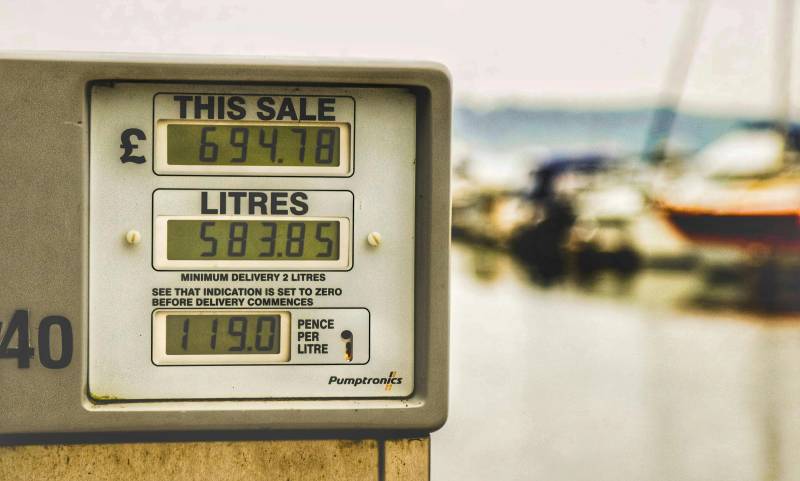
UK drivers are paying an average of £1.727 per litre for petrol and £1.989 per litre for diesel today, according to Fuelconomy's real-time data from thousands of United Kingdom forecourts. That puts the cost of a full 55-litre tank at roughly £75 for unleaded and £81 for diesel – but the spread between the cheapest and most expensive stations in the same city can easily reach 20p per litre, which translates to £240 per year for a driver filling up weekly. Middle East tensions, a looming fuel duty increase in September, and sharp regional price gaps make 2026 one of the most volatile years at the pump in recent memory.
Average prices in this guide update every day from Fuelconomy data. Worked examples, tax breakdowns and forecasts use March 2026 prices.
Key Facts – UK Fuel Prices in 2026
- **Average petrol (E10) price:** £1.727 per litre
- **Average diesel (B7) price:** £1.989 per litre
- **Premium unleaded (E5):** typically 10 – 15p per litre above standard E10
- Fuel duty: 52.95p per litre until 31 August 2026, then rising in three stages to 57.95p by March 2027
- VAT on fuel: 20%, applied on top of the pump price including duty
- Tax share of pump price: roughly 55 – 60% of what you pay is tax
- Cheapest regions: Northern Ireland and Scotland consistently undercut the national average; the South East tends to be the most expensive
Current UK Fuel Prices – Live Data
The widget below pulls live prices from Fuelconomy's network of UK stations, updated twice daily. Use it to check today's averages before your next fill-up.
| Fuel | Min | Avg | Max |
|---|---|---|---|
| E10 | £1.540 | £1.727 | £1.850 |
| B7 | £1.760 | £1.989 | £2.040 |
(Updated: March 2026)
How Much Does Petrol Cost in the UK Right Now?
Standard unleaded in the UK is labelled E10 – a blend containing up to 10% bioethanol. Across the country, the average sits around £1.727 per litre, though drivers in London and the South East routinely pay 3 – 5p more than those in Belfast or Aberdeen. Supermarket forecourts – Asda, Tesco, Sainsbury's and Morrisons – remain the cheapest option in most towns, typically undercutting branded stations by 4 – 7p per litre.
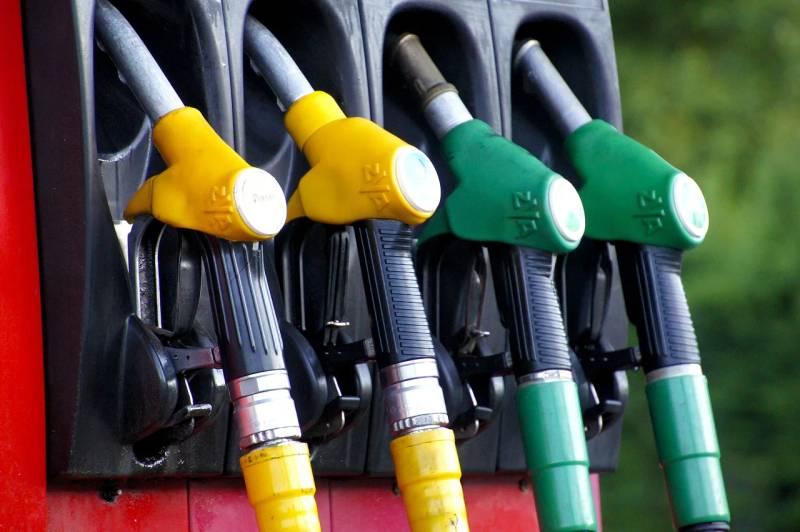
For drivers whose cars require higher-octane fuel, E5 (super unleaded, 97+ RON) costs around £1.906 per litre. That premium is hard to justify unless your vehicle specifically requires it – on a 55-litre fill-up, the difference is roughly £7, and most modern engines optimised for 95 RON gain nothing measurable from the upgrade.
| Fuel | Min | Avg | Max |
|---|---|---|---|
| E10 | £1.540 | £1.727 | £1.850 |
How Much Does Diesel Cost in the UK Right Now?
B7 diesel averages £1.989 per litre nationally. The diesel premium has widened since late 2025, driven partly by tighter European refining margins and partly by increased demand for heating oil during a colder-than-average winter.
For a diesel driver covering 12,000 miles a year in a car averaging 50 mpg, the annual fuel bill comes to roughly £1,600. Switching from a random forecourt to the cheapest station in your area – a gap that regularly hits 15 – 20p per litre – could shave £160 – £210 off that bill without changing a single driving habit.
| Fuel | Min | Avg | Max |
|---|---|---|---|
| B7 | £1.760 | £1.989 | £2.040 |
UK Fuel Types Explained
| Fuel Label | Type | Ethanol/Bio Content | Typical Price | Notes |
|---|---|---|---|---|
| E10 | Standard unleaded (95 RON) | Up to 10% ethanol | £1.727/L | Default petrol at most pumps since 2021 |
| E5 | Super unleaded (97+ RON) | Up to 5% ethanol | £1.906/L | Required by some older/performance cars |
| B7 | Standard diesel | Up to 7% biodiesel (FAME) | £1.989/L | Most common diesel grade |
| SDV | Super diesel / premium diesel | Varies | £2.189/L | Claimed cleaning additives; marginal real-world benefit for most cars |
Warning: If your car was built before 2011, check the fuel filler cap or owner's manual before using E10. Higher ethanol content can damage seals and fuel lines in older vehicles. The Department for Transport maintains an online checker for E10 compatibility.
Fuel Duty in 2026 – What's Changing and When
The 5p-per-litre temporary duty cut, first introduced in March 2022, has been extended repeatedly. The current rate of 52.95p per litre holds until 31 August 2026. After that, duty rises in three stages:
| Date | Fuel Duty Rate | Change |
|---|---|---|
| Until 31 Aug 2026 | 52.95p/L | Current rate (includes 5p cut) |
| 1 Sep 2026 | +1p | First step of reversal |
| 1 Dec 2026 | +2p | Second step |
| 1 Mar 2027 | +2p | Full reversal to 57.95p/L |
On a 55-litre fill-up, the full 5p reversal adds £2.75 per tank. For a driver filling up weekly, that is roughly £143 extra per year from March 2027 onward. The government has also confirmed that RPI-linked annual increases resume from April 2027 – the first inflation-based rise since 2011.
Why UK Fuel Prices Vary So Much by Location
The difference between the cheapest and most expensive forecourt in the same city can be staggering. Government pricing data shows gaps of 15 – 27p per litre between nearby stations. Several factors drive this:
Supermarkets vs branded stations. The big four supermarkets use fuel as a loss leader to get shoppers through the door. A Tesco or Asda forecourt in Manchester can be 6 – 8p per litre cheaper than a Shell or BP station two miles away.
Motorway service stations. The most expensive fuel in the UK is almost always at motorway services. Prices at these locations regularly exceed 155p for petrol and 165p for diesel – 20p or more above the national average. Planning your stops to refuel off the motorway is one of the simplest ways to save.
Rural vs urban. Remote areas in Scotland, Wales, and parts of south-west England have fewer stations and higher transport costs, pushing prices up. The rural fuel duty relief scheme offers a 5p discount in designated island and remote communities, but most rural areas do not qualify.
Regional breakdown. Northern Ireland consistently records the lowest average prices in the UK, while the South East – driven by high London prices – tends to be the most expensive. Check Fuelconomy's live price map to compare stations in your area before filling up.
UK Fuel Prices Compared to Europe
How does the UK stack up against its European neighbours? Here is how average March 2026 pump prices compare:
| Country | Standard Petrol | Standard Diesel | Currency |
|---|---|---|---|
| United Kingdom | £1.727/L | £1.989/L | £ per litre |
| France (E10) | €2.109/L | €2.371/L (Gazole) | € per litre |
| Spain (Gasolina 95 E5) | €1.741/L | €1.897/L (Gasóleo A) | € per litre |
| Italy (Benzina) | €1.997/L | €2.260/L (Gasolio) | € per litre |
| Portugal (Gasolina Simples 95) | €2.092/L | €2.262/L (Gasóleo Simples) | € per litre |
The UK sits mid-table for petrol but toward the top for diesel once you convert to euros. Spain remains the cheapest of the five for both fuels, while Italy edges out the UK for the highest petrol prices. Fuelconomy lets you compare fuel costs across every country it covers on a single page – useful if you are planning a cross-border trip or a Channel crossing holiday.

How to Save Money on Fuel in the UK
Switching from a random station to the cheapest one nearby is the single biggest lever most drivers have. Beyond that:
Use a price comparison tool before every fill-up. Fuelconomy tracks live prices across thousands of UK stations. A two-minute check before you leave can save 10 – 15p per litre – that is £5 – £8 per tank, or £260 – £400 per year for a weekly fill-up.
Avoid motorway services at all costs. Filling up even one junction before or after the motorway saves an easy 15 – 20p per litre. On a 55-litre tank, that is £8 – £11 saved per stop.
Fill up on Monday or Tuesday. Industry data suggests prices tend to be lowest early in the week and highest on Thursdays and Fridays, when forecourts anticipate weekend demand. The effect is small (1 – 3p) but compounds over the year.
Drive efficiently. Gentle acceleration, maintaining 55 – 60 mph on motorways instead of 70, keeping tyres at the correct pressure, and removing roof racks when not in use can improve fuel economy by 10 – 15% – equivalent to saving £150 – £240 per year on a £1,600 annual fuel bill.
Consider supermarket loyalty schemes. Tesco Clubcard, Sainsbury's Nectar, and Asda Rewards all offer fuel-related points or discounts. The savings are modest individually (1 – 3p per litre equivalent), but stacking them with already-lower supermarket prices maximises value.
Cheapest Fuel by UK City
Prices vary significantly from city to city. Here is a snapshot of where drivers tend to find cheaper fuel:
| City | Typical Petrol Price | Typical Diesel Price | Notes |
|---|---|---|---|
| Belfast | £1.654/L | £1.892/L | Consistently among the cheapest |
| Manchester | £1.724/L | £1.994/L | Strong supermarket competition |
| Birmingham | £1.721/L | £1.991/L | Large number of stations |
| Bristol | £1.725/L | £1.987/L | Moderate competition |
| London | £1.760/L | £2.022/L | Highest prices; huge variation within the city |
| Aberdeen | £1.726/L | £2.003/L | Scottish prices generally lower |
Check the live city widgets on Fuelconomy for today's exact averages:
| Fuel | Min | Avg | Max |
|---|---|---|---|
| E10 | £1.720 | £1.760 | £1.800 |
| B7 | £1.950 | £2.022 | £2.030 |
| Fuel | Min | Avg | Max |
|---|---|---|---|
| E10 | £1.670 | £1.724 | £1.780 |
| B7 | £1.930 | £1.994 | £2.030 |
What Determines UK Pump Prices?
The price you pay at the forecourt is built from four layers:
| Component | Approximate Share (Petrol) | Approximate Share (Diesel) |
|---|---|---|
| Wholesale fuel cost (incl. bio-blend & delivery) | ~38 – 42% | ~40 – 44% |
| Fuel duty | ~39% | ~36% |
| VAT (20%) | ~17% | ~16% |
| Retailer margin | ~3 – 6% | ~3 – 6% |
Roughly 55 – 60% of what you pay is tax. This means that even dramatic swings in crude oil prices have a dampened effect at the pump – a 10% drop in oil translates to only about a 4 – 5% drop in pump price, because the tax component stays fixed.
The global price of Brent crude – which rose above $85 per barrel in early March 2026 following Iranian restrictions on shipping through the Strait of Hormuz – is the single largest variable. Exchange rates also matter: because refined fuel is traded in US dollars, a weaker pound pushes UK prices higher even if oil stays flat.
FAQ – UK Fuel Prices 2026
How much is petrol per litre in the UK right now?
Average UK petrol (E10) costs around £1.727 per litre today. Prices vary by region and retailer – use Fuelconomy's live data widget above for the latest figures.
How much is diesel per litre in the UK right now?
Standard diesel (B7) averages £1.989 per litre nationally today, though motorway stations can charge over 165p.
Is fuel duty going up in 2026?
Yes. The 5p temporary cut expires on 31 August 2026. Duty then rises in three steps: +1p from September 2026, +2p from December 2026, and a final +2p from March 2027, returning the rate to 57.95p per litre. RPI-linked annual increases resume from April 2027.
Why is diesel more expensive than petrol in the UK?
Diesel requires additional refining (hydrocracking) and faces higher European demand for heating and freight. Tighter refining capacity since 2022 has kept the diesel premium elevated at 10 – 12p per litre above petrol.
Where is the cheapest fuel in the UK?
Northern Ireland and parts of Scotland consistently offer the lowest prices. Within any region, supermarket forecourts (Asda, Tesco, Morrisons, Sainsbury's) typically beat branded stations by 4 – 7p per litre. Fuelconomy's live map shows the cheapest stations near any UK postcode.
Is E10 petrol bad for my car?
E10 is safe for the vast majority of cars built after 2011. Older vehicles may need E5 (super unleaded) to avoid ethanol-related damage to fuel system components. Check the government's online compatibility tool if unsure.
How much does it cost to fill a car in the UK?
At March 2026 averages, filling a 55-litre tank costs approximately £75 for petrol and £81 for diesel. A driver covering 12,000 miles per year at 40 mpg spends roughly £1,850 on petrol or £2,010 on diesel annually.
Looking Ahead – UK Fuel Prices for the Rest of 2026
Three forces will shape prices through the year. First, Middle East tensions – the Strait of Hormuz disruption pushed Brent crude above $85 in early March, and further escalation could send oil toward $90 – $100. Second, the phased fuel duty increase from September will add up to 5p per litre by March 2027. Third, the new Fuel Finder Scheme – requiring retailers to report prices within 30 minutes – should improve transparency and may nudge competition, though it does not change wholesale costs.
The bottom line: UK drivers should expect pump prices to stay in the 135 – 150p range for petrol and 145 – 160p range for diesel through 2026, with upside risk if the oil market worsens. The single best defence is checking Fuelconomy before every fill-up – even a 10p-per-litre saving adds up to over £280 a year on a weekly 55-litre tank. Compare live prices across thousands of United Kingdom stations on Fuelconomy and start saving on your next stop.
Sources: